Clear Aligners or Metal Braces: An Honest Comparison
Neither option is universally better. The right one depends on the case, the age, and how realistic the compliance is.
September 3, 2026 · 4 min read
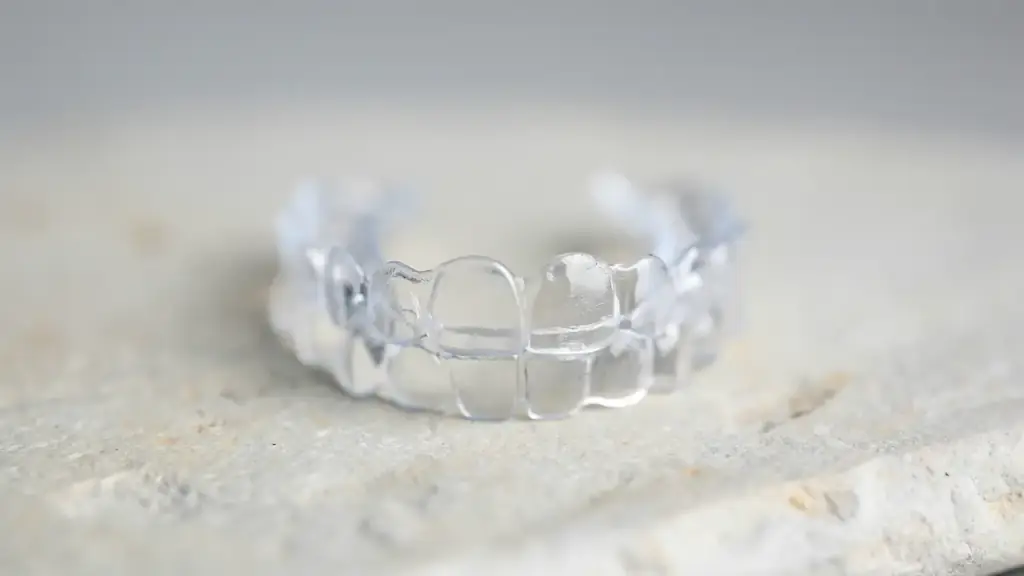
We get asked this in nearly every consultation, usually before we've even looked at the teeth: aligners or braces? The honest answer is that it depends on the person wearing them as much as it depends on the case. Here's what actually separates the two, without the marketing gloss either side usually gets.
Clear aligners: what's genuinely good about them
Aligners come out to eat, so there are no food restrictions at all. They come out to brush and floss, so oral hygiene during treatment is easier than with fixed brackets. They're far less visible than metal, which matters a lot to teens navigating school photos and to adults in client-facing jobs. And because each set of trays does more of the planned movement at once, check-up visits are usually less frequent, every six to eight weeks rather than every few weeks.
Clear aligners: what to go in knowing
They only work if you actually wear them, roughly 20 to 22 hours a day. That's the whole trade-off in one sentence. A tray that spends most of the day in a pocket or a school bag isn't moving anything. Trays are also easy to lose, especially with younger patients and especially when they're wrapped in a napkin at lunch. For those two reasons, aligners generally aren't the right first choice for most young children, whose compliance and organization aren't reliably there yet. They're a much better fit for teens with real motivation and for adults.
Metal braces: what's genuinely good about them
Braces can't be taken out, lost, or forgotten at a friend's house, which makes them dependable in a way aligners simply aren't. They handle complex tooth movement, rotations, and bite correction very well, and there's no discipline required from the patient between visits, the appliance is doing its job around the clock. Kids also tend to enjoy picking their band colors at every adjustment, which is a small thing that makes a multi-year process feel a little more theirs.
Metal braces: what to go in knowing
There are real food restrictions, hard, sticky, and chewy foods are off the table for the duration. Flossing takes longer and needs a bit more technique around the wires. And adjustments are more frequent than aligner check-ups, typically every 10 to 12 weeks early in treatment and every 4 to 6 weeks as things progress.
On price
Clear aligner treatment at our Phoenixville and Plymouth Meeting offices typically runs from $3,000 to $7,500, with your exact number set at a free consultation once we've seen a scan of your teeth. We don't publish a single figure for braces, because the range depends heavily on the complexity of the case, and we'd rather quote you an honest number after actually looking than a rounded one that doesn't mean much either way.
How we actually decide
For young children needing early guidance, we lean toward braces or a fixed appliance, because compliance can't be counted on yet. For teens and adults with the discipline to wear trays consistently, aligners are often a great fit and a more comfortable one day to day. For more complex bite corrections at any age, braces are frequently still the more predictable tool. None of that is a rule we apply blind. At your consultation, Dr. Becker will look at your specific bite, your goals, and your lifestyle, and tell you honestly which option gets you there, and just as honestly if he thinks neither is needed yet.
A note for teens specifically
Teens are the group we go back and forth on the most, because the answer genuinely depends on the individual rather than the age bracket. A responsible, organized teen who won't lose a tray in the cafeteria is often a great aligner candidate, and being able to take them out for a game or a school photo is a real quality-of-life difference. A teen who's still working on remembering their retainer case, or whose case involves more complex movement, is often better served by braces, which don't rely on anyone remembering anything between meals.
A note for adults specifically
Aligners were designed with working adult life in mind, and it shows. There's no metal to explain in a client meeting, no color bands to think about, and eating out isn't complicated by anything stuck to a bracket. That said, some adult cases, particularly ones involving significant bite correction, still do better with braces or a combination approach, and we'll say so honestly if that's what your case needs rather than defaulting to whichever option is more comfortable to hear about.
The consultation itself is free, and it exists to lay out your options, not to steer you toward whichever is more convenient for us. Call (610) 935-1547 for Phoenixville or (610) 275-1460 for Plymouth Meeting to get on the schedule.
Becker Orthodontics, (610) 935-1547
Call (610) 935-1547More articles
Why the First Orthodontic Visit Happens at Age 7
Age 7 is about watching how the bite and jaw are developing, not about getting braces that week.
What a Broken Bracket or a Poking Wire Actually Needs
Most orthodontic emergencies are uncomfortable, not dangerous, and both of our offices see them same-day.